Finding the right roofing contractor requires systematic evaluation of multiple factors to protect one’s home investment. Homeowners should start by gathering local recommendations from trusted neighbors and professionals, then verify licensing and insurance credentials. Thorough research includes reviewing past work examples, checking multiple customer references, and comparing detailed written estimates from at least three contractors. Understanding warranty coverage and potential red flags helps select a reliable, qualified professional for this vital home improvement project.
Expert Highlights
- Ask trusted neighbors, local hardware stores, and real estate professionals for contractor recommendations based on their direct experience.
- Verify state licenses, insurance coverage, and check contractor’s standing with professional organizations like the NRCA.
- Review completed project photos and contact recent customers to evaluate the quality of past work.
- Get detailed written estimates from multiple contractors specifying materials, labor costs, and warranties.
- Research customer reviews across multiple platforms to identify patterns in quality, service, and reliability.
Research and Gather Local Recommendations
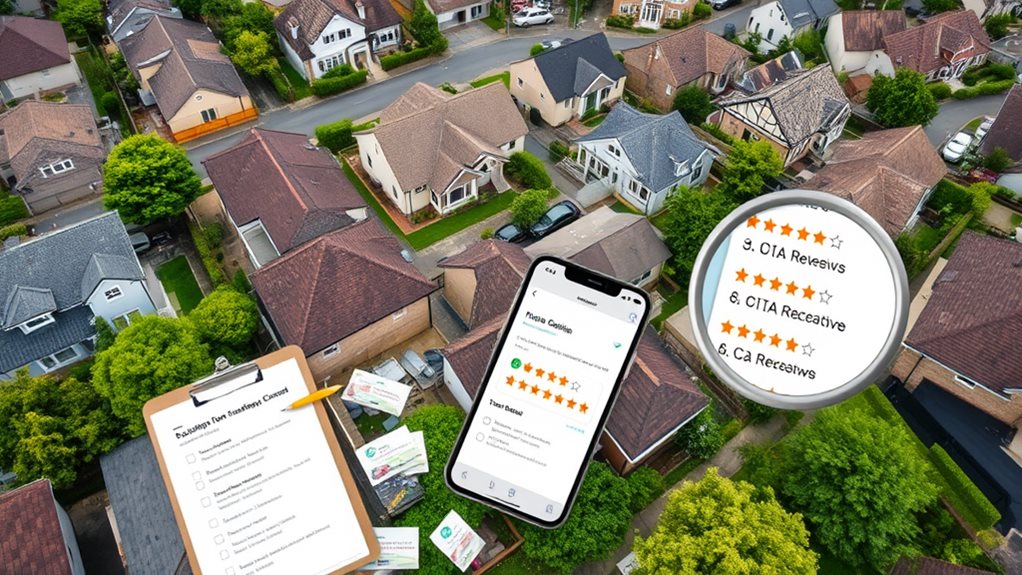
When seeking a reliable roofing contractor, gathering local recommendations serves as an essential first step in the selection process. Homeowners can begin by consulting trusted neighbors who have recently completed roofing projects, as these individuals can provide firsthand experiences and unbiased feedback about specific contractors.
Local hardware stores, building supply companies, and real estate professionals often maintain relationships with reputable contractors and can offer valuable referrals based on proven track records.
Online resources, including community forums and neighborhood social media groups, provide additional platforms for collecting recommendations and reviewing detailed customer experiences. While exploring these channels, individuals should pay particular attention to contractors who consistently receive positive feedback about their workmanship, reliability, and professional communication.
Taking time to document both positive and negative reviews helps create an exhaustive list of potential contractors for further evaluation.
Verify Licensing, Insurance, and Credentials
Before hiring a roofing contractor, homeowners should thoroughly verify their professional credentials, starting with confirmation of state-required licenses and permits specific to roofing work.
A reputable contractor must carry adequate insurance coverage, including both workers’ compensation and liability insurance, to protect against potential accidents or property damage during the project. Professional association memberships, such as affiliation with the National Roofing Contractors Association (NRCA) or local building organizations, can provide additional assurance of a contractor’s commitment to industry standards and ongoing education.
Check State License Requirements
A properly licensed and insured roofing contractor serves as the foundation for any successful roofing project, making license verification an essential first step in the hiring process. Homeowners should research their state’s specific requirements, as licensing regulations vary considerably across different jurisdictions. Some states require specialized roofing licenses, while others accept general contractor credentials.
| State Requirements | License Type |
|---|---|
| California | C-39 License |
| Florida | Certified/Registered |
| Texas | No State License |
| New York | Home Improvement |
Contact the state’s contractor licensing board to verify current requirements and confirm a contractor’s standing. Most boards maintain online databases where homeowners can search contractor licenses and view any disciplinary actions. This verification process helps protect against unlicensed operators who might deliver substandard work or leave homeowners vulnerable to liability issues.
Confirm Insurance Coverage Limits
Proper insurance coverage represents a critical safeguard for homeowners undertaking roofing projects, extending beyond basic licensing requirements. Contractors must maintain adequate liability and workers’ compensation insurance to protect against potential accidents, property damage, or worker injuries during the project.
When verifying a roofing contractor’s insurance coverage, homeowners should:
- Request current certificates of insurance directly from the contractor’s insurance provider, ascertaining both general liability and workers’ compensation policies are active
- Confirm coverage limits meet or exceed industry standards, typically $1 million per occurrence for general liability and statutory limits for workers’ compensation
- Review policy exclusions and coverage dates carefully, making sure the coverage will remain valid throughout the duration of the roofing project
Obtaining written proof of insurance helps prevent potential financial liability and secures protection for both property owners and workers during roof installations or repairs.
Request Professional Association Memberships
Professional association memberships provide essential credentials that distinguish reputable roofing contractors from unreliable operators in the local market. Respected organizations like the National Roofing Contractors Association (NRCA) and state-specific roofing associations require members to maintain high professional standards, ongoing education, and ethical business practices.
When evaluating contractors, homeowners should specifically inquire about memberships in organizations such as the NRCA, local chambers of commerce, and regional building associations. These affiliations typically require annual dues, regular training updates, and adherence to strict quality guidelines. Professional members often display certification logos on their websites and marketing materials, making verification straightforward.
Additionally, many associations maintain searchable online databases where consumers can confirm a contractor’s active membership status and access performance reviews from previous clients.
Evaluate Past Work and Customer Reviews
Past performance serves as one of the most reliable indicators when evaluating potential roofing contractors for a home project. Homeowners should thoroughly research a contractor’s track record through multiple channels, including online review platforms, testimonials, and reference checks with previous clients.
Review photo galleries of completed projects, paying close attention to homes with similar architectural styles and roofing materials to guarantee relevant experience.
Contact at least three recent customers who had similar roofing work done, asking specific questions about timeline adherence, crew professionalism, and post-project cleanup.
Examine reviews across multiple platforms like Google, Angi, and the Better Business Bureau, focusing on how contractors handled any negative feedback or complications.
When evaluating reviews, look for patterns in both praise and criticism rather than focusing on isolated incidents, as this provides a more accurate picture of the contractor’s consistency and dependability.
Request and Compare Detailed Written Estimates
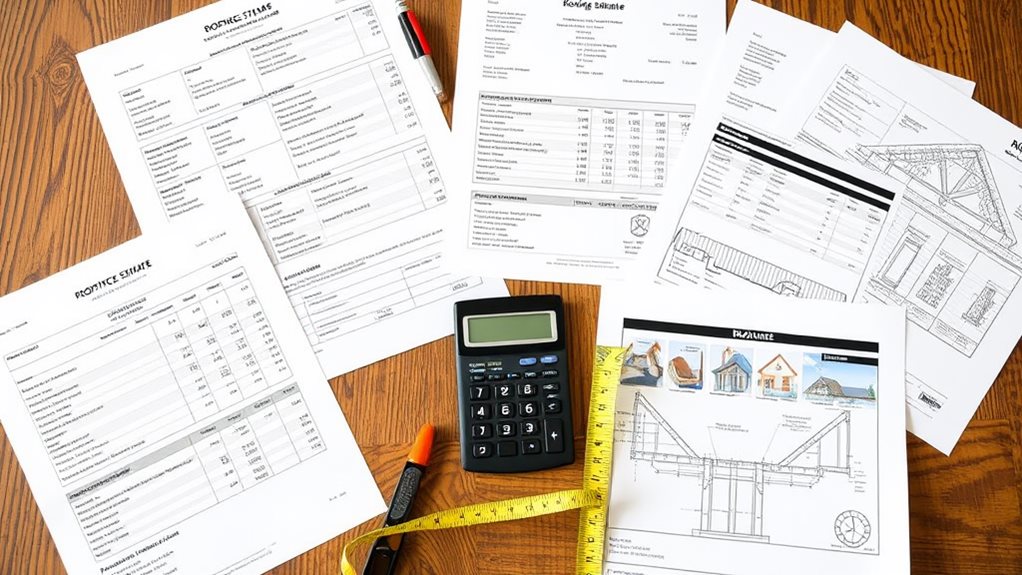
After thoroughly researching a contractor’s reputation and work history, homeowners must obtain detailed written estimates from multiple roofing companies to make an informed decision. A comprehensive estimate should include material specifications, labor costs, timeline projections, warranty information, and payment terms. It is critical to confirm each contractor bids on identical project parameters for accurate comparison.
When reviewing estimates, homeowners should look for detailed line items rather than lump sums, including costs for removing old materials, installing new underlayment, flashing work, and ventilation systems. Be cautious of estimates that seem unusually low, as they may indicate subpar materials or hidden costs. Request that contractors specify the brands and grades of materials they plan to use, along with manufacturer warranties and workmanship guarantees, enabling direct comparison of value propositions.
Understanding Warranties and Guarantees
Carefully reviewing warranty documentation represents one of the most pivotal yet commonly overlooked aspects of selecting a roofing contractor. Understanding both manufacturer warranties on materials and contractor guarantees on workmanship helps protect your investment and secures accountability for years to come.
Manufacturer warranties typically cover defects in roofing materials for 20-50 years but may become void if installation guidelines aren’t precisely followed.
Contractor workmanship guarantees should specify coverage duration, typically 2-10 years, and clearly outline what constitutes a covered repair versus normal maintenance.
Transfer clauses deserve special attention, as they determine whether warranty coverage continues if you sell your home, potentially affecting future resale value.
When evaluating warranties, homeowners should request written documentation of all coverage terms, exclusions, and claim procedures rather than relying on verbal assurances that may prove difficult to enforce later.
Red Flags to Watch Out For When Hiring Roofers
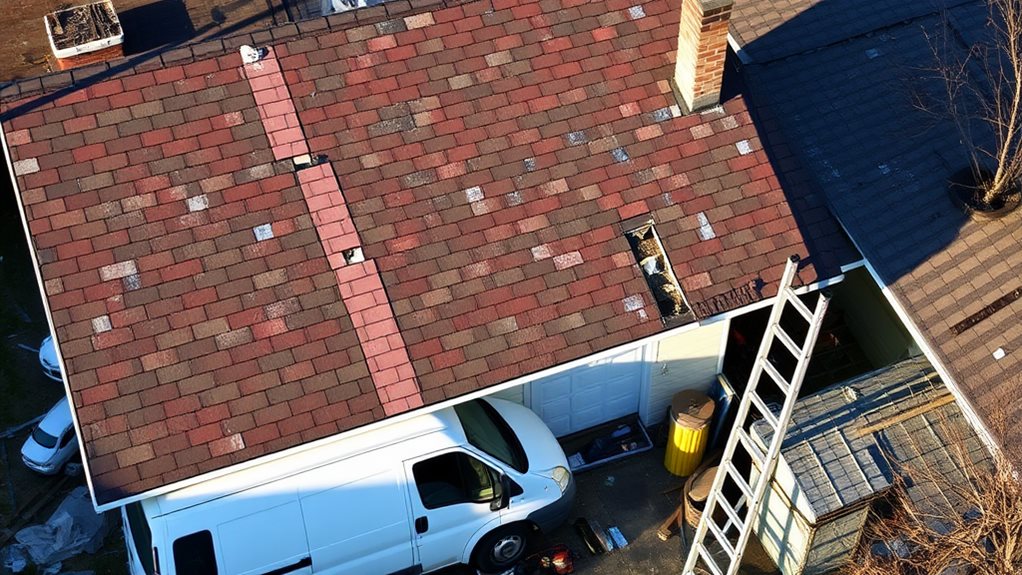
Despite the urgency of roof repairs, homeowners must remain vigilant for warning signs that could indicate an unscrupulous or unqualified roofing contractor. Being aware of common red flags can help protect against poor workmanship, financial loss, and potential safety hazards.
| Warning Sign | What to Look For | Potential Consequence |
|---|---|---|
| High-Pressure Sales | Demanding immediate decisions, door-to-door soliciting | Rushed, subpar work and inflated prices |
| No Physical Address | Only a P.O. box or mobile number | Difficulty pursuing claims or warranties |
| Missing Credentials | Lack of license, insurance, or permits | Legal liability and unsafe installations |
| Unusual Payment Terms | Large upfront payments, cash-only deals | Risk of contractor abandonment |
Homeowners should trust their instincts and continue searching if a contractor exhibits these concerning behaviors, as rushing into an agreement could lead to significant complications and expenses.
Frequently Asked Questions
How Long Does a Typical Roof Replacement Project Take?
A standard residential roof replacement typically takes 1-3 days for asphalt shingles, while more complex materials or larger homes may require 5-10 days for professional completion.
What Is the Best Season to Schedule Roof Repairs?
Late spring through early fall offers ideal conditions for roof repairs, with warm, dry weather enabling proper material adhesion and curing. However, professional roofers can work year-round when necessary.
Can I Stay in My Home During Roof Installation?
Homeowners can typically remain in their homes during roof installation. However, they should expect noise, vibrations, and falling debris. Moving vehicles and outdoor furniture away is recommended for safety purposes.
Do Roofing Contractors Handle the Disposal of Old Roofing Materials?
Most reputable roofing contractors include debris removal and disposal in their service package. They typically bring dumpsters and handle all cleanup of old shingles and roofing materials after completion.
Should I Be Present During the Roofing Inspection?
Homeowners should be present during roofing inspections to understand identified issues, ask questions, and receive direct explanations about necessary repairs or replacements from the professional conducting the assessment.
Expert Final Thoughts
Finding a trustworthy local roofing contractor requires careful research, verification, and evaluation of multiple factors. By following a systematic approach of gathering recommendations, checking credentials, reviewing past work, comparing estimates, and understanding warranties, homeowners can make an informed decision that protects their investment. Staying alert to potential red flags while maintaining clear communication throughout the process helps secure a successful roofing project with a reliable contractor.