While both substances can impact your liver, alcohol is generally more harmful than edibles. Your liver processes alcohol through oxidation, creating toxic byproducts, while cannabis edibles metabolize through different pathways that cause less stress on liver function. Though edibles can affect how your liver processes other medications, they don’t typically cause the inflammation or cell death associated with alcohol. Understanding the key differences between these substances will help you make smarter choices for your health.
Expert Highlights
- Alcohol causes more severe liver damage through toxic byproducts like acetaldehyde, while edibles show minimal immediate impact on liver function.
- Unlike alcohol, cannabis edibles don’t trigger acute liver inflammation or cell death in healthy individuals during processing.
- Research indicates edibles place significantly less strain on the liver compared to alcohol consumption, though long-term effects need more study.
- Both substances use liver enzymes for processing, but alcohol’s metabolites are directly toxic while THC metabolites are generally less harmful.
- Regular edible use may affect medication processing but doesn’t cause the severe cellular damage and cirrhosis associated with chronic alcohol use.
How the Liver Processes Edibles vs. Alcohol
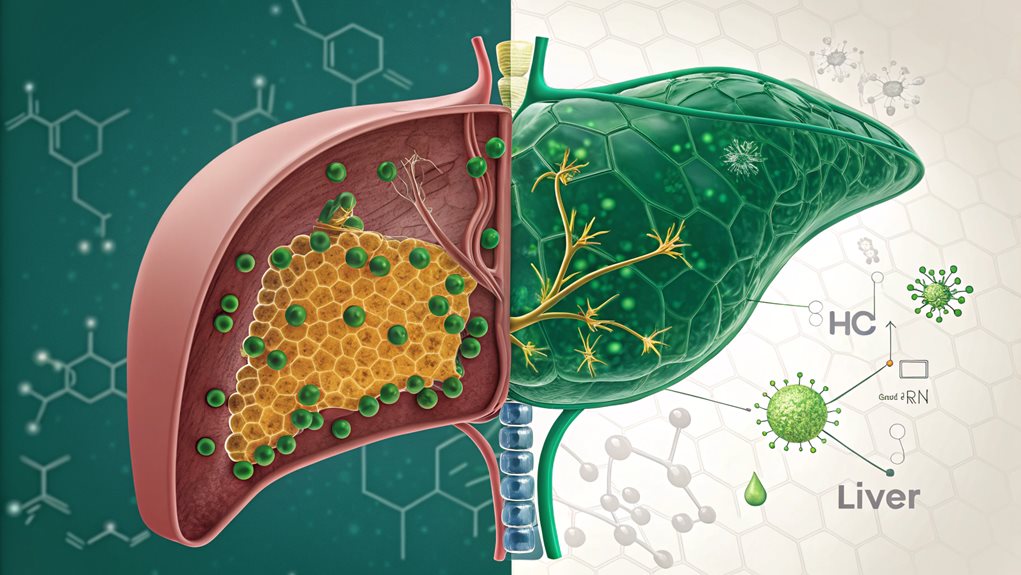
While both edibles and alcohol must pass through the liver for processing, they follow distinctly different metabolic pathways.
Your liver breaks down alcohol through oxidation, converting it into acetaldehyde and then acetic acid, which can damage liver cells.
In contrast, your liver processes cannabis edibles by metabolizing THC into 11-hydroxy-THC, a compound that’s more potent than the original THC.
Unlike alcohol’s toxic byproducts, the metabolites from edibles don’t typically cause direct liver cell damage.
However, you’ll want to be mindful that your liver uses the cytochrome P450 enzyme system to process both substances.
This means edibles could potentially interact with medications that use the same pathway, affecting how your body processes either substance.
Short-Term Effects on Liver Function
Although research on short-term liver effects from edibles remains limited, current evidence suggests minimal immediate impact on liver function in healthy individuals.
Your liver efficiently processes THC without showing signs of acute stress or inflammation typically associated with alcohol consumption.
When you consume edibles, your liver metabolizes THC into 11-hydroxy-THC, a process that doesn’t appear to strain liver function in the short term.
You won’t experience the rapid cell death or inflammatory response that alcohol can trigger.
However, if you’re taking other medications, be aware that your liver needs to process these simultaneously with THC, which could temporarily affect how efficiently it handles both substances.
Monitor your body’s response and consult your healthcare provider if you have pre-existing liver conditions or take regular medications.
Long-Term Impact on Liver Health
Your liver processes edibles differently than smoked cannabis, with a more intense and prolonged metabolic workload due to first-pass metabolism.
Studies examining long-term edible use suggest potential risks for liver stress and cellular changes, particularly in individuals with pre-existing liver conditions.
Your liver can often recover from occasional use through its natural repair mechanisms, but chronic consumption may lead to cumulative effects that require monitoring.
Metabolic Processing Differences
Since edibles enter your digestive system rather than your lungs, they follow a unique metabolic pathway that can greatly impact liver health over time.
Your liver transforms THC into a more potent compound called 11-hydroxy-THC, which requires significant enzymatic processing. Unlike alcohol, which your liver breaks down continuously until eliminated, cannabis compounds can accumulate in fatty tissues.
When you consume edibles, your liver must work harder to process these compounds through first-pass metabolism. This process engages different enzyme systems than those used for alcohol metabolism, primarily the cytochrome P450 system.
While your liver can typically handle occasional edible use, frequent consumption may strain these metabolic pathways, potentially affecting your liver’s ability to process other medications or compounds efficiently.
Research on Liver Damage
Current research suggests mixed findings regarding edibles’ long-term effects on liver health. While some studies indicate potential protective effects against inflammation and fatty liver disease, others highlight possible risks, especially with frequent high-dose consumption.
You’ll find that most research focuses on CBD rather than THC components. CBD has shown promise in reducing liver inflammation and protecting liver cells from oxidative stress. However, you should know that extremely high doses of CBD might elevate liver enzymes in some people.
If you’re concerned about liver health, it’s worth noting that edibles typically cause less liver strain than alcohol.
Still, you’ll want to consult your healthcare provider about specific risks, particularly if you have existing liver conditions or take medications that affect liver function.
Recovery and Repair Patterns
While the liver demonstrates remarkable regenerative abilities, recovery patterns from edible-related stress vary considerably among individuals. Your liver can bounce back from occasional cannabis consumption, but chronic use may require longer healing periods.
If you’ve experienced liver strain from edibles, you’ll typically notice improvements within a few weeks of abstaining. You can support your liver’s natural repair process by staying hydrated, maintaining a balanced diet rich in antioxidants, and getting adequate sleep.
Your healthcare provider might recommend specific supplements to aid recovery. Remember that complete healing depends on factors like your age, overall health, and the duration of cannabis use.
For ideal liver health, you’ll want to take into account moderating your edible consumption and incorporating regular wellness check-ups into your routine.
Key Differences in Metabolic Pathways
Understanding how edibles affect liver health requires examining their distinct metabolic pathways. When you consume cannabis edibles, your liver processes THC differently than alcohol. Your liver converts THC into 11-hydroxy-THC, a more potent compound that can cross the blood-brain barrier more easily.
This process, called first-pass metabolism, happens primarily in your liver’s cytochrome P450 system.
Unlike alcohol, which your liver must constantly detoxify, THC metabolites don’t cause the same kind of cellular damage or inflammation. Your liver processes THC through different enzymatic pathways that don’t produce toxic byproducts like acetaldehyde, which occurs during alcohol metabolism.
This fundamental difference means edibles typically place less strain on your liver’s detoxification systems compared to alcohol consumption.
Risk Factors and Potential Complications
If you’re considering cannabis edibles, you’ll need to understand several key risk factors that can affect your liver health over time.
Your body processes edibles differently than inhaled cannabis, putting additional strain on your liver’s metabolic functions.
You should watch for warning signs like persistent abdominal pain, unusual fatigue, or yellowing of the skin, which could indicate liver stress from edible consumption.
Long-Term Health Impacts
Although research on edible cannabis’s long-term liver effects remains limited, several potential health risks deserve attention.
Regular consumption of cannabis edibles may impact your liver’s ability to metabolize other medications, potentially leading to adverse drug interactions. Your liver enzymes could become altered, affecting how your body processes both nutrients and toxins.
If you have pre-existing liver conditions, you’ll need to be particularly cautious. Chronic edible use might strain your liver’s detoxification pathways and contribute to inflammation.
While edibles typically cause less organ damage than alcohol, they can still affect your liver’s natural regenerative capabilities. You should discuss your edible use with healthcare providers, especially if you’re taking prescription medications or have underlying liver concerns.
Metabolic Processing Differences
When your body processes edible cannabis, it undergoes a different metabolic pathway than smoking or vaping, leading to more potent and longer-lasting effects.
Your liver converts THC into 11-hydroxy-THC, a compound that crosses the blood-brain barrier more efficiently than regular THC.
Unlike alcohol, which your liver must continuously detoxify, cannabis metabolites don’t cause the same kind of cellular damage.
However, you should still be mindful of these key differences:
- Edibles take longer to process, typically 30-90 minutes before effects begin.
- Your liver creates stronger psychoactive compounds during metabolism.
- The effects can last 6-8 hours, much longer than inhaled cannabis.
If you’re taking other medications, consult your healthcare provider about potential interactions with edibles.
Identifying Warning Signs
Understanding how edibles affect your liver makes it necessary to recognize potential warning signs of complications. If you experience persistent nausea, abdominal pain, or unusual fatigue after consuming edibles, your liver may be struggling to process them.
Watch for yellowing skin or eyes (jaundice), dark urine, or pale stools, as these symptoms could indicate liver stress.
You’re at higher risk if you have pre-existing liver conditions, take certain medications, or regularly consume alcohol.
Pay attention to any unexplained weight changes, swelling in your legs or abdomen, or mental confusion. These signs warrant immediate medical attention, especially if you’re using edibles frequently.
Being aware of these warning signs helps you protect both your liver health and those you care for who consume edibles.
Scientific Research and Current Evidence
Research exploring the relationship between edible cannabis products and liver health remains limited, but emerging studies have revealed significant findings. Current evidence suggests that cannabinoids may actually have protective effects on liver cells, though more research is needed to confirm these preliminary results.
Studies examining cannabinoid impact on liver function have found:
- CBD might reduce inflammation and prevent liver damage in patients with certain conditions.
- THC could potentially help regulate liver enzyme production.
- Cannabis compounds may protect against fatty liver disease when used moderately.
However, you’ll want to note that most research has focused on isolated cannabinoids rather than whole-plant edibles.
If you’re concerned about liver health, it’s vital to consult healthcare providers who can evaluate your specific situation and medical history before using cannabis products.
Making Informed Health Choices
To make educated decisions about edibles and liver health, you’ll need to contemplate multiple factors beyond just the scientific research.
Consider your personal health history, existing medical conditions, and any medications you’re currently taking. Your liver’s current condition and functionality should guide your choices.
Consult with healthcare providers who understand your complete medical profile. They can help you weigh the potential risks and benefits based on your specific situation.
If you’re supporting others who use edibles, encourage them to do the same. Pay attention to dosage, frequency of use, and quality of products.
Know that legal, tested products offer more reliable information about contents and potency. When advising others, emphasize the importance of moderation and responsible consumption while respecting individual health circumstances.
Expert Final Thougts
While both substances impact your liver, edibles and alcohol affect it differently. You’ll find that alcohol causes direct liver damage through toxic byproducts, while cannabis metabolites generally don’t show the same harmful effects. But don’t assume edibles are harmless – they still require liver processing. If you’re concerned about liver health, limit both substances and consult your healthcare provider about your specific situation.