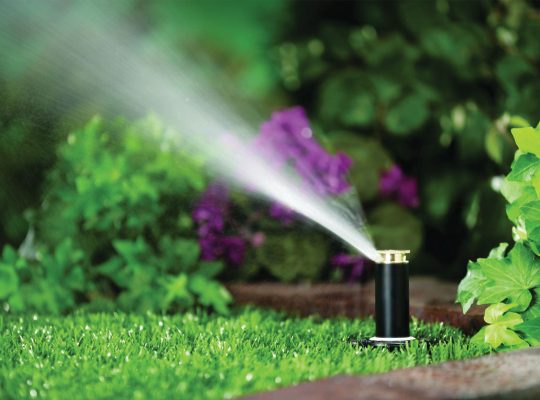
Lawn Sprinkler Installation, Service & Repair: Your Complete Guide
Lawn sprinkler installation, service & repair involve more than just keeping your grass green. A properly planned sprinkler system can deliver the right amount of water, save money, and prevent costly plumbing problems. If you want your irrigation to perform reliably, understanding the basics, choosing the right system, and knowing when to seek expert help are all important. In this complete guide, we answer essential questions and provide actionable advice for homeowners, property managers, and anyone considering a new sprinkler installation or needing expert repair.
Understanding Lawn Sprinkler Systems: The Basics
What Is a Lawn Sprinkler System?
A lawn sprinkler system is a network of pipes, valves, heads, and controllers designed to deliver water consistently across your landscape. These systems automate watering, replacing manual hoses and reducing water waste. Most modern systems integrate timers and sensors for precise scheduling and coverage.
Major Types of Sprinkler Systems
There are several types of sprinkler systems, including in-ground pop-up, drip irrigation, and rotary stream. In-ground pop-up systems are most common for lawns due to their durability and automatic retracting heads. Drip irrigation is ideal for gardens or foundation beds. Rotary stream heads cover larger areas with less evaporation. Choosing the right system depends on your yard size, water pressure, and landscaping needs.
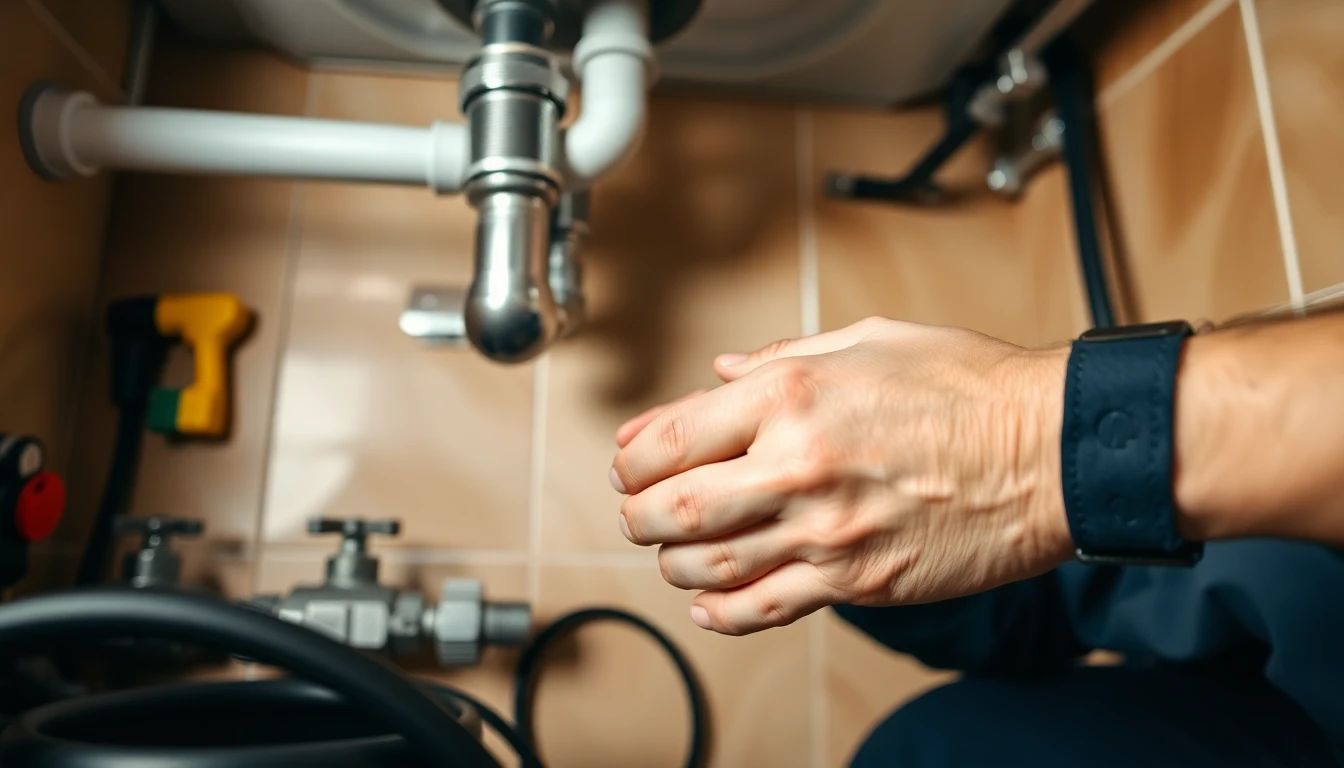
How Sprinkler Systems Tie Into Plumbing
Sprinkler systems connect directly to your main water supply. Professional installation ensures proper backflow prevention and pressure regulation, which prevents contamination and pipe bursts. Industry standards, such as the Uniform Plumbing Code, mandate backflow preventers for safety. Correct integration protects your home’s plumbing and meets city regulations.
Lawn Sprinkler Installation: Planning and Process
Site Assessment and Design
Expert installers start by mapping your property, measuring lawn dimensions, and identifying sun patterns or slopes. This site assessment determines the placement and type of sprinkler heads and zones. Plumbers calculate water flow and pressure to avoid overloading household supply. For best results, use a company that customizes layout instead of a “one-size-fits-all” approach.
The Installation Process Step-by-Step
Installers begin by marking out pipes and valve box locations and digging trenches for the network of pipes. They connect the system to the main water line, install a backflow preventer, lay pipes, then place sprinkler heads and wiring for the controller. After assembly, installers flush the lines to remove debris and calibrate each sprinkler head for even coverage. Final steps include programming the controller for your region’s weather and city restrictions.
Permits and Compliance
Local regulations often require permits for sprinkler system installation. This ensures code compliance for safety and water conservation. Experienced professionals handle permits and explain all city requirements, minimizing risk of penalties. Proper documentation will be required for resale or insurance purposes. For guidance on regulations in your area and expert system installation, visit the comprehensive lawn irrigation solutions page offered by Green Irrigation MN.
Sprinkler System Service: Routine Care and Seasonal Needs
System Start-Up in Spring
Each spring, a professional should slowly pressurize the system, inspect for leaks, and clear lines of winter debris. This is when installers test all zones, reset schedules, and confirm sensor function. Starting up too fast can cause blown pipes or valve damage.
Regular Inspection and Adjustment
Routine checks look for broken or clogged sprinkler heads, leaks in valves or pipes, and malfunctions in the controller. Adjusting spray patterns prevents water waste and runoff. Professional service also recalibrates soil moisture sensors and rain shut-off devices.
Winterization and Freeze Protection
In cold climates, it’s crucial to blow out all water from the system with compressed air before the first freeze. This prevents costly pipe bursts and valve failure. Proper winterization ensures the longevity and safety of your sprinkler system and household plumbing. Most homeowners hire a professional for this critical seasonal task.
Troubleshooting and Repair: Common Issues & Solutions
Identifying Common Sprinkler Problems
Typical issues include broken heads, underground pipe leaks, stuck valves, and faulty controllers. Symptoms may be dry spots, puddling, or loss of pressure. Diagnosing the root cause quickly saves both water and repair costs. Homeowners may notice high water bills or system alerts. If unsure, call an experienced technician to examine the problem.
DIY Fixes vs. Professional Repair
Some repairs like replacing a visible broken head or cleaning a clogged nozzle are DIY-friendly. However, diagnosing wiring issues, valve replacements, and underground pipe leaks require plumbing and electrical knowledge. Attempting complex repairs without expertise risks property damage or voids system warranties. Professional repair ensures correct parts and safe operation.
How We Diagnose & Repair Systems
Certified sprinkler technicians use pressure gauges, electrical testers, and direct observation to isolate leaks or electronic faults. Repairs often involve replacing solenoids, sealing pipe connections, flushing lines, or reprogramming controllers. Our team follows industry practices for clean site work, recycling old parts, and verifying repairs before leaving each property. This hands-on approach is based on years of experience and following manufacturer guidelines.
Choosing the Right Sprinkler System & Service Provider
Key Features in Modern Sprinkler Systems
Look for smart controllers that adjust watering times for weather, rain sensors, and high-efficiency sprinkler heads. Pressure-regulated heads reduce misting, while wireless controls offer scheduling from your phone. Quality systems use PVC or polyethylene pipes and corrosion-resistant valves. Investing in upgraded technology saves money on both water and repairs.
Questions to Ask Before Hiring
Ask any service provider about licensing, insurance, warranty terms, and references. Request a written estimate and a clear explanation of planned work. Find out if they offer ongoing maintenance plans. Homeowners should understand how their chosen team handles emergency repairs and seasonal service. To see if service is available in your area, check the Green Irrigation MN local service coverage details.
Professional vs. One-Size-Fits-All Installers: Why It Matters
Some companies offer generic installs, ignoring unique soil, pressure, and zone requirements. This leads to dry patches, poor system life, and voided warranties. Licensed professionals create custom blueprints and guarantee both installation and repair work. Industry standards, such as those by the Irrigation Association, recommend customized installations for best performance and water savings.
Frequently Asked Questions: Lawn Sprinkler Installation, Service & Repair
How Much Does Installation Cost?
Costs vary by property size, number of zones, and system features. Average residential lawn sprinkler installation runs $2,500-$4,000, with higher-end systems costing more. Professional firms provide free estimates and site evaluations. Factors like trenching, permits, and brand choice affect final price.
What Is Covered Under Warranty and Service?
Most installers offer 1-3 year warranties that include parts and labor for repairs due to normal use. Annual maintenance plans may cover seasonal start-up, winterization, and minor repairs. Always request written documentation and keep records for future reference. Service professionals provide clear explanations of what is included during the initial quote.
Can Sprinkler Systems Save Water?
Yes—automatic systems with sensors can reduce usage 30%-50% compared to hose watering. Proper system design, head placement, and scheduled maintenance are the keys. Modern smart controllers avoid overwatering and respond to rain and soil moisture, ensuring water goes only where needed. This not only protects lawns, but also saves on your utility bills.
Conclusion: Protect Your Investment and Lawn Health
A well-installed and maintained sprinkler system offers reliable, efficient watering—and peace of mind. Regular professional service addresses seasonal needs, ensures code compliance, and prevents unexpected repair bills. Whether you’re installing a new sprinkler system or need expert repair, rely on licensed plumbing and irrigation specialists to protect your landscape and home investment. Next steps: schedule a site assessment, request an estimate, or inquire about annual service plans to keep your lawn healthy for years to come.