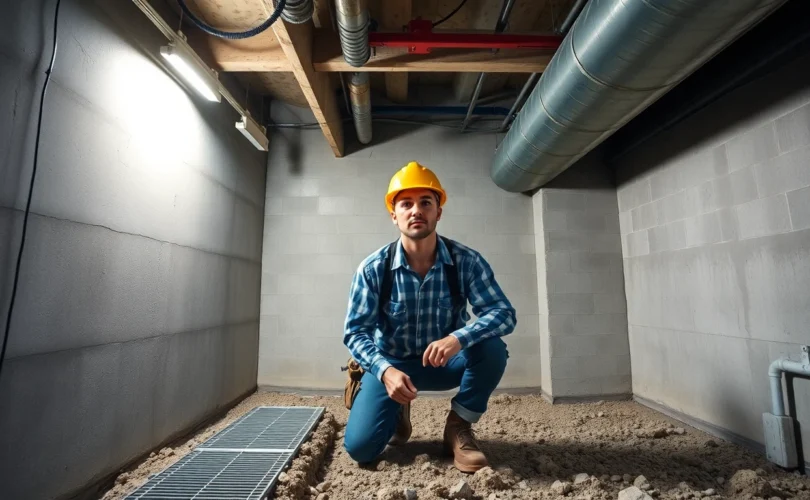
How a Concrete Contractor Solves Basement Waterproofing Challenges
If you are researching basement waterproofing, it is essential to understand how a professional concrete contractor can build long-term solutions. Choosing the right contractor is key—not only for stopping basement leaks and protecting your home’s foundation, but also for ensuring that other poured concrete features like driveways, patios, and slabs in Minnesota stay solid for decades.

Why Concrete Contractors Are Vital for Basement Waterproofing
The Connection Between Foundation Work and Waterproofing
Many basement leaks originate with foundation cracks or poor exterior drainage. Concrete contractors examine these structural issues. They repair foundational damage before applying waterproofing systems. We know this because repair success depends on first stopping movement, in line with recommendations from the International Concrete Repair Institute and ACI (American Concrete Institute).
Expertise with Local Minnesota Conditions
In Minnesota, freeze-thaw cycles put stress on basement walls and concrete driveways. Precise mixes and installation methods are critical. An advancedcontractor will test soil around your property and select the best moisture barrier or sealing system based on local weather patterns and historic moisture levels.
Waterproofing Methods Used by Professionals
Experienced contractors use interior sealants, exterior membranes, or drainage solutions. For example, they install French drains, apply crystalline waterproofers, and build sump pump pits. Methods conform to building codes and manufacturer specs for every product—reducing long-term risks.
How Concrete Contractors Diagnose Basement Water Issues
Evaluation of Water Entry Points
Concrete professionals locate leaks by inspecting floor and wall seams, window wells, and the base of exterior concrete slabs. They use moisture meters and sometimes thermal cameras. Accurate diagnosis determines whether the problem is surface water, groundwater, or plumbing—each requires a different waterproofing product.
Soil and Drainage Assessment
Proper grading and drainage are essential outside basement walls. Contractors measure soil type and slope. For driveways and patios, advanced sealing and proper pitch prevent runoff from collecting at the foundation.
Integrating Foundation and Surface Repairs
When cracks are found in basement foundations, concrete contractors inject epoxy or polyurethane before adding waterproofing. This step ensures that structural repairs come first, followed by waterproof membranes or coatings for lasting results.
For a detailed look at the full range of concrete services addressing these issues, see the comprehensive Minnesota concrete contractor resource.
Common Basement Waterproofing Options and How They Work
Interior Sealing Systems
Interior systems include paints, sealants, or crystalline coatings applied to concrete. While they help reduce dampness, only structural repairs plus a drain tile system will solve persistent groundwater leaks. Industry best practice requires using vapor barriers in conjunction with interior drainage channels when needed.
Exterior Waterproof Membranes and Drainage
Exterior systems last longer. Contractors clean and patch the exterior concrete wall, install a membrane, and add fabric and gravel to move water away. In Minnesota, these systems protect against freeze-thaw damage—most commonly, rubberized asphalt membranes or bentonite panels are used for driveways and patios, too.
Sump Pump and Drain Tile Solutions
Many basements benefit from interior perimeter drains routed to a sump pump. The pump removes water as soon as it reaches a set level. Experts design the pit location, select a robust pump, and provide backup systems for reliability.
To understand how concrete patios are protected from water intrusion in Eagan and neighboring cities, use this guide to concrete patios and waterproofing in Eagan.
The Importance of Well-Installed Concrete Features
Driveways and Water Direction
A poorly-installed concrete driveway can channel water toward your basement instead of away. Concrete experts ensure a correct slope and expansion joints. This keeps rain and meltwater moving toward the street or drainage area, not into your foundation.
Garage Slabs and Entry Walks
Garage floors, walks, and patios made of concrete need to shed water away from the home. Contractors add control joints and edge drains for extra insurance. Reliable waterproofing starts with well-planned site grading and hardscape installation.
Using Decorative or Stamped Concrete Safely
Stamped and decorative concrete are popular in Minnesota, but must be installed with care. Contractors select sealers that repel salt and moisture, which protects against flaking during freeze-thaw. Each process follows ASTM International standards for quality concrete.
If you’re interested in the specific protective methods used for stamped concrete, review this helpful resource on stamped concrete installation in Eagan.
Common Basement Waterproofing Myths and Misconceptions
Myth: Paint Alone Stops Water
Paint or DIY waterproofing coatings won’t solve leaks from foundation cracks or hydrostatic pressure. Concrete contractors build layered solutions—paint and sealant come after fixing structure and managing exterior water.
Myth: Any Contractor Can Waterproof a Basement
General contractors may not understand the unique challenges of Minnesota concrete or complex driveways. Genuine expertise includes soil studies, moisture testing, and following local building codes. Specialized contractors have access to advanced materials and tools not used in general repair jobs.
Myth: Waterproofing Is a One-Time Fix
Periodic inspection and maintenance are essential. Soil settles, new cracks form, and drains can clog. Industry standards recommend annual checkups of sump systems, patios, and driveways. A skilled concrete contractor provides follow-up testing and maintenance plans to prevent costly damage later.
Hiring the Right Concrete Contractor for Your Waterproofing Project
Questions to Ask Before Signing a Contract
Ask about licensing, insurance, and recent local projects. Request documentation for the waterproofing systems and brands to be used, and make sure the contractor provides a written warranty. Insist on a walkthrough where they explain each step clearly and answer your questions.
Understanding Proposals and What’s Included
Review the proposal for details on crack repair, drainage strategy, slab grading for driveways and patios, materials, and any changes to landscaping. Compare how each contractor diagnoses the source of your specific water problem—not just symptoms.
Verifying Experience: How We Know What Works
Look for contractors who reference industry organizations like the American Concrete Institute. Ask for photos or case studies. We know from hundreds of successful Minnesota projects that knowledge of cold-climate concrete techniques plus local reputation make the difference in long-term effectiveness and satisfaction.
Conclusion: Take Action to Protect Your Basement and Property Value
Basement waterproofing is an investment that protects your family’s health, your possessions, and your home’s resale value. Working with a skilled concrete contractor ensures that waterproofing systems—whether for basements, driveways, patios, or slabs—perform as promised even under challenging Minnesota conditions. Start by consulting a contractor with local expertise, then schedule a site evaluation and build a plan based on your property’s unique needs.
Want to get started? List your priorities, collect proposals, and review past projects from top contractors. For more advanced tips, explore resources specific to Minnesota’s concrete challenges and opportunities.