You’ve probably heard that chimney inspections are important, but do you know why? These essential checks can reveal hidden dangers lurking in your home’s heating system. From creosote buildup to structural damage, a thorough inspection can uncover issues you might never have noticed on your own. By understanding the different levels of inspections and how often you should schedule them, you’ll be better equipped to protect your home and family. But there’s more to chimney safety than meets the eye, and what you don’t know could be putting your household at risk.
Professional chimney inspections
When you’re considering a chimney inspection, it’s vital to understand that there are three distinct levels of professional assessment. These levels, established by the Chimney Safety Institute of America (CSIA), range from a basic visual examination to an extensive internal inspection.
You’ll want to familiarize yourself with each level’s scope to determine which is most appropriate for your chimney’s current condition and your home’s safety needs.
What Are the 3 Levels of Chimney Inspections?
In accordance with industry standards, professional chimney inspections are categorized into three distinct levels. These extensive evaluations guarantee your chimney’s safety and functionality, providing you with peace of mind and a sense of belonging in your well-maintained home. Each level of inspection builds upon the previous one, offering increasingly detailed assessments of your chimney’s condition.
Level 1 Inspection: A visual examination of readily accessible areas, including the exterior and interior of the chimney, checking for obvious signs of damage or deterioration.
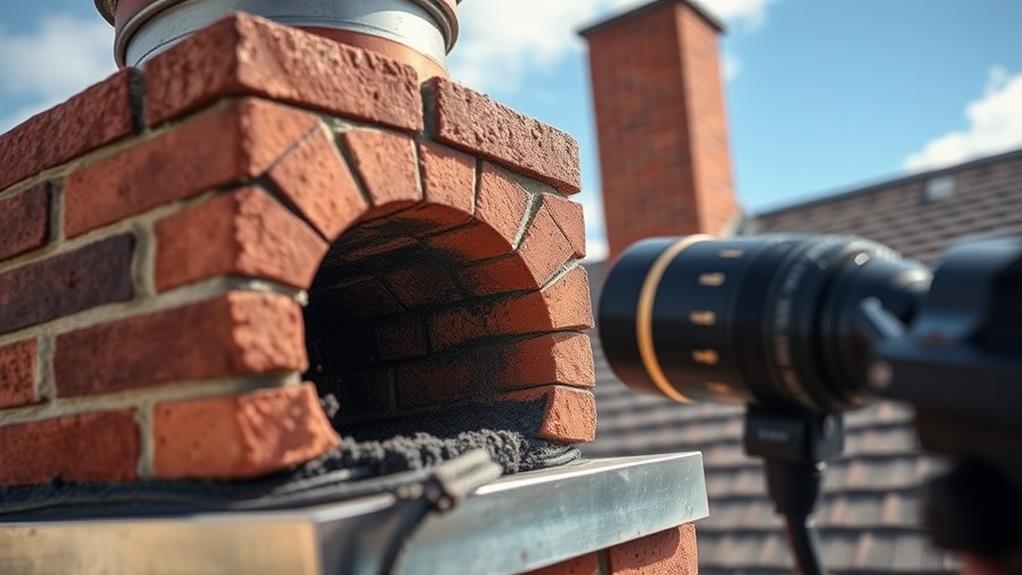
Level 2 Inspection: A more thorough evaluation, including all components of a Level 1 inspection, plus examination of accessible areas of the attic, basement, and crawl spaces. This level often involves the use of specialized tools, such as video scanning equipment.
Level 3 Inspection: The most inclusive assessment, including all aspects of Level 1 and 2 inspections, as well as the removal of certain components of the building or chimney where necessary to gain access to areas of concern.
Understanding these levels helps you make informed decisions about your chimney’s maintenance needs, ensuring your home remains safe and efficient. Regular chimney inspections and timely chimney repairs are essential for preserving your property’s value and protecting your family’s well-being.
What To Expect During the Chimney Inspection Process
A thorough chimney inspection is essential for maintaining your home’s safety and efficiency. When you schedule an inspection, you can expect a comprehensive evaluation of your chimney system. The process typically begins with an exterior assessment, where the inspector examines the chimney’s structure, flashing, and crown for signs of damage or wear.
They’ll then move inside, inspecting the firebox, damper, and visible portions of the flue lining. During a Level 1 inspection, the technician will use specialized tools to check for creosote buildup, obstructions, and potential safety hazards. For Level 2 inspections, you’ll see the use of advanced camera equipment to thoroughly examine the flue’s interior. Level 3 inspections may involve partial demolition to access hidden areas of concern.
Throughout the process, the inspector will document their findings and explain any issues they discover. They’ll provide you with a detailed report, outlining the condition of your chimney and recommending necessary repairs or maintenance. This information empowers you to make informed decisions about your chimney’s care, ensuring your home remains safe and your heating system operates efficiently.
How Often Should My Chimney Be Inspected & Cleaned?
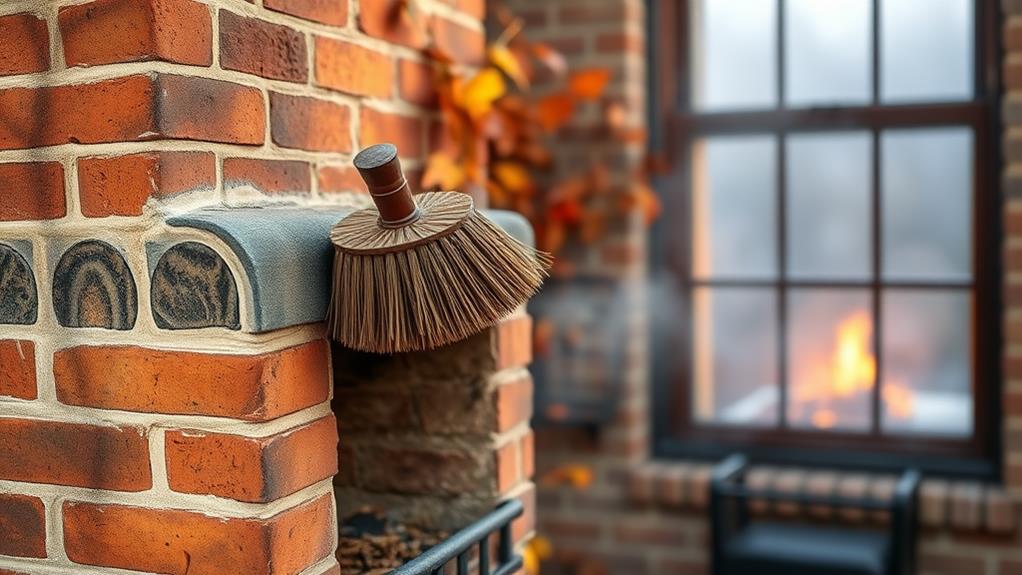
Regular chimney inspections and cleanings are crucial for maintaining your home’s safety and efficiency. As a responsible homeowner, you should schedule an inspection at least once a year, preferably before the heating season begins. However, the frequency may vary depending on your chimney’s usage and condition. If you use your fireplace or wood stove frequently, you might need more frequent inspections and cleanings.
To determine if your chimney needs cleaning, look for these signs:
- Creosote buildup exceeding 1/8 inch on the chimney walls
- Visible soot flakes or debris falling into the firebox
- A strong, pungent odor emanating from the fireplace when it’s not in use
Professional chimney sweeps recommend cleaning when creosote accumulation reaches 1/4 inch. This buildup can occur rapidly, especially if you burn unseasoned wood or maintain low burning temperatures. By adhering to a regular inspection and cleaning schedule, you’re not only ensuring your family’s safety but also becoming part of a community of responsible homeowners who prioritize home maintenance. Remember, a well-maintained chimney contributes to your home’s overall efficiency and longevity, potentially saving you money on energy costs and preventing costly repairs in the future.
Team of experienced and trained technicians
Our backbone is a team of experienced and trained technicians who excel in chimney maintenance and repair. You’ll benefit from their extensive knowledge and skills, honed through years of hands-on experience and ongoing professional development. Our technicians understand the intricacies of various chimney systems and are equipped to handle a wide range of issues, from routine cleaning to complex repairs.
When you choose our services, you’re not just getting a job done; you’re joining a community of homeowners who prioritize safety and efficiency. Our team’s expertise guarantees that your chimney receives the highest standard of care, tailored to your specific needs. We’re committed to keeping you informed throughout the process, explaining our findings and recommendations in clear, understandable terms.
| Technician Qualifications | Benefits to You |
|---|---|
| Certified by CSIA | Expert knowledge |
| Ongoing training | Up-to-date skills |
| Years of experience | Reliable service |
Savings on energy costs
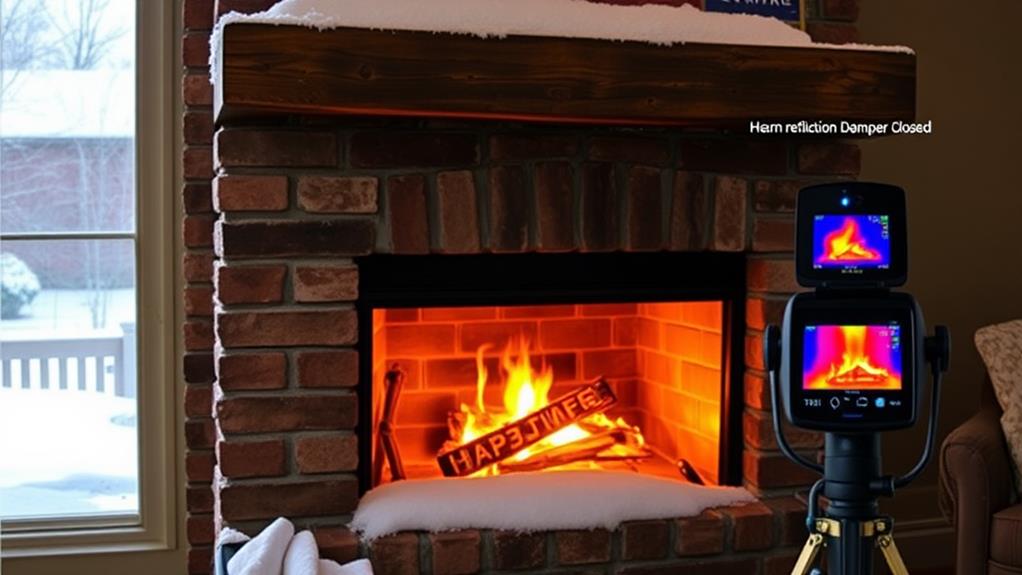
Maintaining a clean and efficient chimney doesn’t just enhance safety—it can also lead to significant savings on your energy costs. When your chimney is free from obstructions and buildup, your heating system operates more efficiently, requiring less fuel to warm your home. This increased efficiency translates directly into lower energy bills, allowing you to keep more money in your pocket while maintaining a comfortable living environment.
Regular chimney inspections and cleanings contribute to energy savings in several ways:
- Improved airflow, allowing heat to circulate more effectively throughout your home
- Reduced buildup of creosote, which can impede proper ventilation and decrease efficiency
- Early detection of structural issues that may be causing heat loss
Chimney Services FAQ
Can I Inspect My Chimney Myself, or Do I Need a Professional?
You can do a basic visual check of your chimney, but it’s best to have a professional inspect it. They’ll spot issues you might miss and guarantee your home’s safety. Don’t risk it—trust the experts for peace of mind.
What Are the Signs That Indicate My Chimney Needs Urgent Inspection?
You’ll want to check for these urgent signs: crumbling bricks, white staining, smoke in your home, strong odors, or rusted flue parts. If you spot any of these, don’t wait – it’s time to call a professional for safety’s sake.
How Long Does a Typical Chimney Inspection Take?
You’ll be pleased to know that a typical chimney inspection usually takes about 30 minutes to an hour. It’s a quick process that’ll give you peace of mind, ensuring your home’s safety and comfort for you and your loved ones.
Are There Different Levels or Types of Chimney Inspections?
Yes, you’ll find there are three levels of chimney inspections. You’re in good hands with Level 1 for routine checks, Level 2 for changes or issues, and Level 3 for in-depth examinations. We’ll guide you through the right choice.
Will a Chimney Inspection Detect All Potential Issues With My Fireplace?
While in-depth, a chimney inspection can’t guarantee detection of every issue. You’ll get a thorough assessment, but some hidden problems might not be visible. It’s best to have regular inspections to catch potential issues early and keep your home safe.