In today's rapidly evolving business landscape, the integration of smart office solutions has become a critical factor in driving organizational efficiency and employee productivity. The convergence of IoT connectivity, unified communication platforms, and workflow automation is reshaping the modern workplace, creating dynamic environments that adapt to users' needs in real-time. As companies endeavor to optimize their operations and foster seamless collaboration, these technological advancements offer unprecedented opportunities for innovation and growth. However, the implementation of such solutions also presents unique challenges and considerations that demand careful attention from business leaders and IT professionals alike.
IoT-Enabled Office Environments

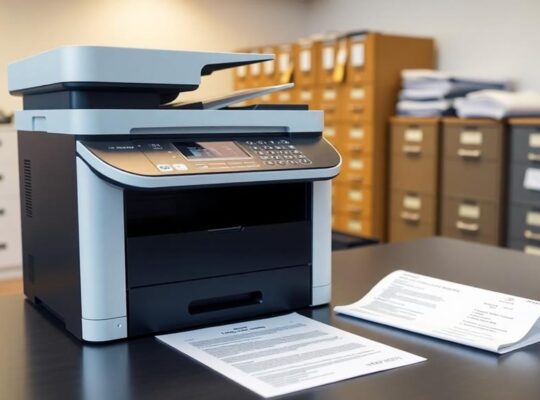
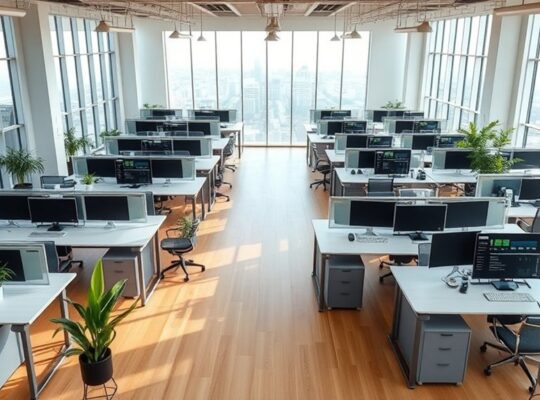
Connectivity forms the backbone of IoT-enabled office environments, transforming traditional workspaces into intelligent, responsive ecosystems. These smart offices leverage a network of interconnected devices and sensors to collect and analyze data, enabling real-time adjustments and optimizations. This is similar to how multifunction printers can utilize IoT technology for efficient operation. By integrating IoT technology, organizations create a more efficient, comfortable, and collaborative workspace for their teams.
Key components of IoT-enabled offices include smart lighting systems, climate control, occupancy sensors, and asset tracking. These elements work in harmony to enhance energy efficiency, improve space utilization, and boost employee productivity. For example, lighting and temperature can automatically adjust based on occupancy and individual preferences, creating a personalized work environment.
In the same vein, advanced office equipment like the Ricoh IM C3510 printer can support various media types and sizes for versatile use, further optimizing office workflows.
IoT connectivity also facilitates seamless interaction between employees and their surroundings. Mobile apps allow staff to reserve meeting rooms, control environmental settings, and locate colleagues or equipment within the office. This level of integration fosters a sense of belonging and empowerment among team members, as they can easily customize their workspace to suit their needs.
Unified Communication Platforms
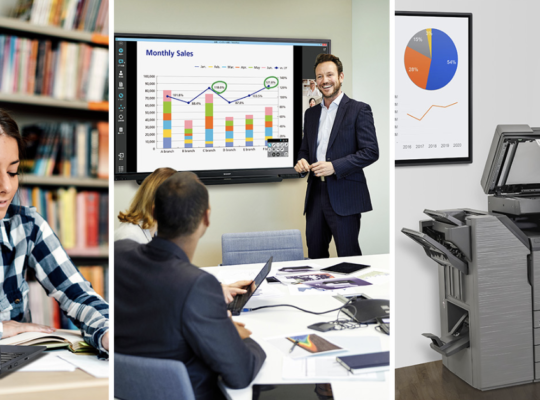
Numerous organizations are adopting unified communication platforms as a cornerstone of their smart office solutions. These platforms integrate various communication tools, including voice, video, instant messaging, and email, into a single interface. This integration streamlines collaboration, enhances productivity, and fosters a sense of connection among team members, regardless of their physical location.
Unified communication platforms offer several key benefits for modern workplaces:
| Feature | Benefit |
|---|---|
| Real-time collaboration | Improved teamwork and decision-making |
| Presence information | Enhanced accessibility and responsiveness |
| Multi-device support | Increased flexibility and mobility |
| Integration with business apps | Streamlined workflows and processes |
By implementing these platforms, organizations create a more cohesive and efficient work environment. Employees can seamlessly shift between communication channels, reducing delays and misunderstandings. This interconnectedness promotes a sense of belonging and unity within the organization, even for remote or distributed teams.
Moreover, unified communication platforms often include features such as file sharing, screen sharing, and virtual whiteboards, further enhancing collaboration capabilities. As businesses continue to evolve, these platforms will play an increasingly crucial role in fostering innovation, driving productivity, and maintaining strong relationships among team members.
Streamlining Workflows Through Automation

With the increasing complexity of modern business operations, streamlining workflows through automation has become a critical component of smart office solutions. By implementing automated processes, organizations can greatly reduce manual tasks, minimize errors, and boost overall productivity. This approach allows team members to focus on high-value activities that require human expertise and creativity.
One such example is the automation of document management processes. Companies like MN Copier Services have made strides in integrating technology to streamline document management, which encompasses tasks such as data entry and document routing.
Workflow automation tools integrate seamlessly with existing systems, creating a cohesive ecosystem that facilitates smooth information flow across departments. These solutions can handle repetitive tasks, ensuring consistency and efficiency.
By leveraging artificial intelligence and machine learning capabilities, smart office automation can adapt to changing business needs and continuously improve processes.
The benefits of streamlined workflows extend beyond operational efficiency. Automated systems provide valuable insights through data analytics, enabling informed decision-making and strategic planning.
Additionally, they enhance collaboration by eliminating bottlenecks and improving communication channels. As team members experience reduced workload and increased job satisfaction, the entire organization benefits from a more engaged and productive workforce, fostering a sense of unity and shared purpose in achieving business goals.
Future of Smart Workspaces
As we look ahead, the future of smart workspaces promises to revolutionize the way we work and interact within office environments. These intelligent spaces will seamlessly integrate advanced technologies to enhance productivity, collaboration, and employee well-being.
Smart workspaces will leverage artificial intelligence and machine learning to adapt to individual preferences and optimize resource allocation. Employees will experience personalized environments that cater to their unique needs, fostering a sense of belonging and comfort.
| Feature | Benefit |
|---|---|
| Adaptive lighting | Improved focus and energy |
| Intelligent climate control | Enhanced comfort and efficiency |
| Dynamic space allocation | Optimized resource utilization |
| Biometric access control | Increased security and convenience |
| Predictive maintenance | Reduced downtime and costs |
The future workplace will prioritize sustainability, incorporating energy-efficient systems and eco-friendly materials. Connectivity will reach new heights, enabling seamless collaboration between on-site and remote team members. Virtual and augmented reality technologies will create immersive meeting experiences, bridging the gap between physical and digital workspaces.
As smart workspaces evolve, they will become more intuitive, responsive, and aligned with human needs, ultimately transforming the way we perceive and interact with our professional environments.
Frequently Asked Questions
How Can Small Businesses Afford to Implement Smart Office Solutions?
Small businesses can afford smart office solutions by starting small and scaling gradually. Prioritize essential features, explore cloud-based options, and consider subscription models. Seek cost-effective solutions tailored for small businesses, and leverage free trials to test effectiveness before investing.
What Security Measures Protect Data in Iot-Connected Smart Offices?
Security measures for IoT-connected smart offices include encryption, network segmentation, regular software updates, multi-factor authentication, and access controls. Implementing robust firewalls, intrusion detection systems, and employee training on cybersecurity best practices are also vital for protecting sensitive data.
How Long Does It Typically Take to See ROI on Smart Office Investments?
The ROI timeline for smart office investments typically ranges from 6 months to 3 years, depending on the scale and complexity of implementation. Many organizations report improved productivity, reduced operational costs, and enhanced employee satisfaction within the first year.
Can Smart Office Systems Be Integrated With Legacy Equipment and Software?
Yes, smart office systems can often be integrated with legacy equipment and software. Many solutions offer compatibility layers or APIs to connect with existing infrastructure. However, the level of integration may vary depending on specific systems and technologies involved.
What Skills Should Employees Develop to Maximize Smart Office Technology Benefits?
To maximize smart office technology benefits, employees should develop skills in digital literacy, data analysis, collaborative tools, and adaptability. Embracing continuous learning and staying open to new technologies will help team members thrive in a connected workplace environment.
Conclusion
The integration of IoT connectivity, unified communication platforms, and workflow automation represents a significant leap forward in office technology. These smart solutions collectively enhance workplace efficiency, productivity, and employee satisfaction. As organizations continue to adopt and refine these technologies, the future of work environments promises to be increasingly adaptive, interconnected, and optimized. The ongoing evolution of smart office solutions will likely lead to even more innovative ways of streamlining operations and fostering collaboration in the digital age.